
Protein plays a vital role in building muscles, supporting immunity, repairing tissues, and keeping the body strong and active. With increasing awareness around fitness and everyday nutrition, many people are adding protein supplements to their diets. But a common question still remains: should you choose plant protein or whey protein?
This guide takes a clear, practical look at plant protein powder versus whey protein, using Good Monk’s Plant Protein for Rotis as the reference point. The aim is to help you decide which option fits better into your lifestyle, digestion, and daily food habits.

Understanding the Basics of Protein Supplements
Protein supplements are designed to help meet daily protein needs when food alone may not be enough. While whey protein has long been popular, plant-based protein options are now gaining attention for being gentler, more inclusive, and easier to integrate into everyday Indian meals.
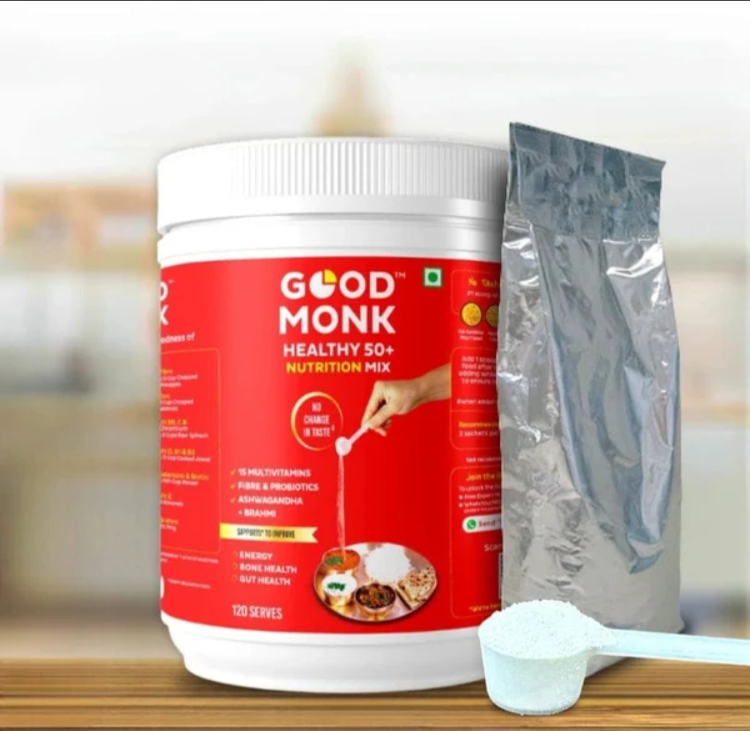
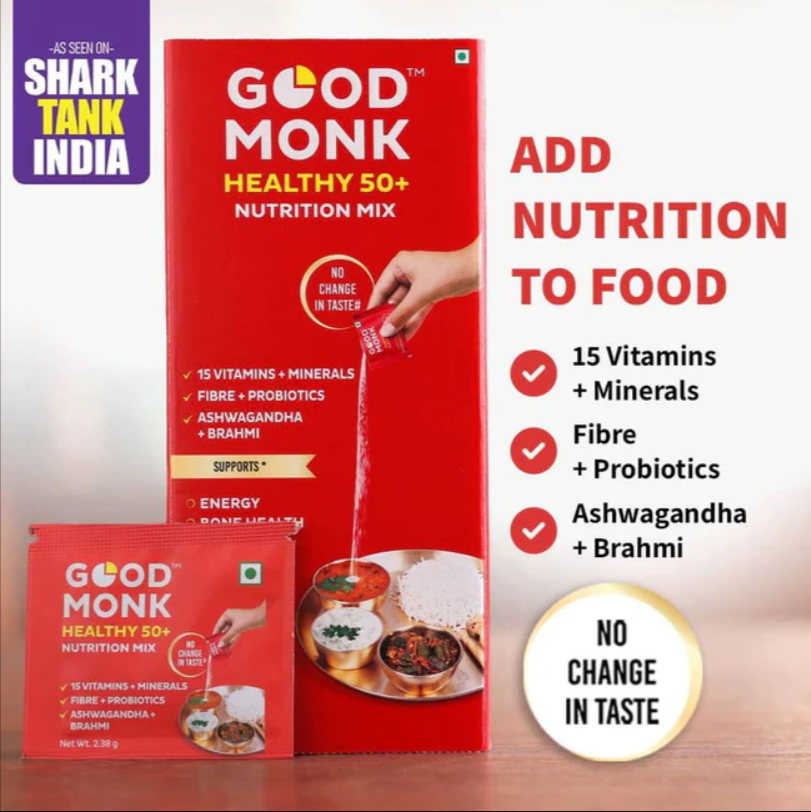
Good Monk’s Plant Protein for Rotis is created specifically to blend into regular home-cooked food, especially rotis, without changing taste or texture. This makes protein supplementation feel like a natural part of meals rather than an extra step.
What Is Whey Protein?
Whey protein is derived from milk during the cheese-making process. It is considered a complete protein because it contains all essential amino acids. Many athletes and gym-goers use whey protein shakes for muscle recovery and strength training.
However, whey protein may not suit everyone. Since it comes from dairy, people with lactose sensitivity or digestive issues may experience bloating, discomfort, or heaviness. Whey is also often consumed as a shake, which may not appeal to those who prefer solid meals over liquid supplements.
What Is Plant Protein Powder?
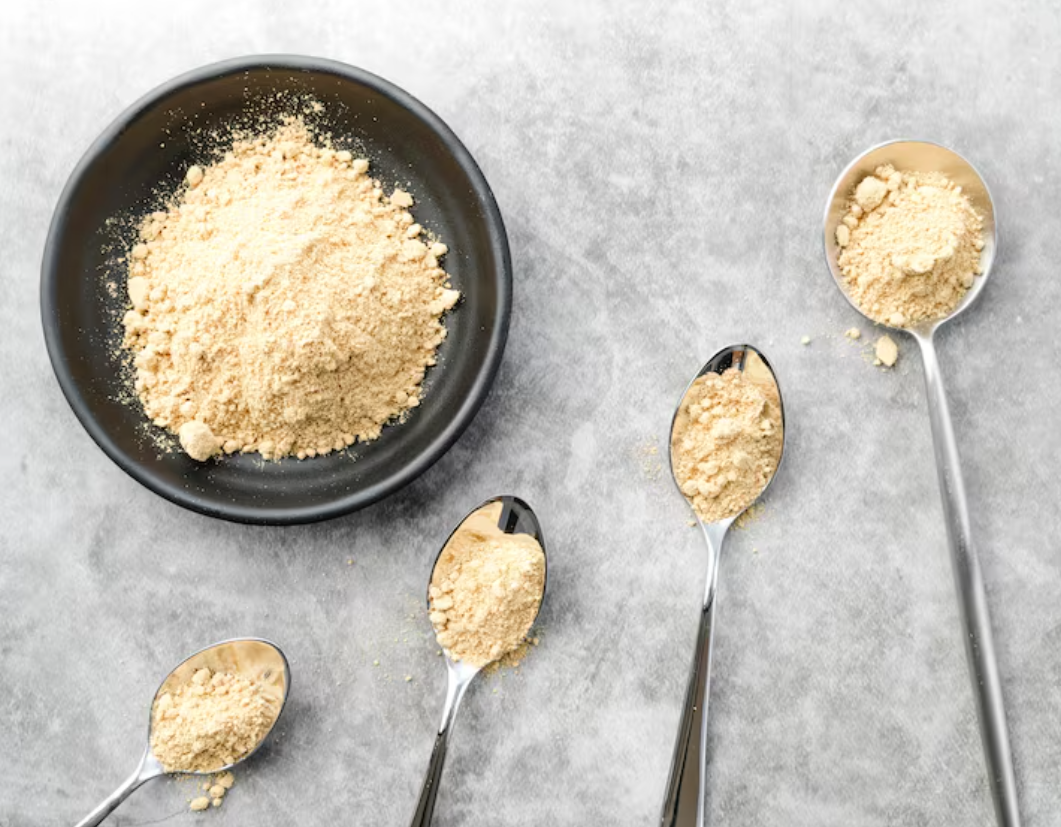
Plant protein powder is derived from plant-based sources such as peas, brown rice, or other legumes and grains. Good Monk’s Plant Protein for Rotis uses a combination of pea protein and brown rice protein, offering a balanced amino acid profile while remaining completely plant-based.
This type of protein is vegan-friendly, dairy-free, and designed to be easy on digestion. Unlike traditional protein shakes, this plant protein can be added directly to wheat flour while making rotis, making daily protein intake effortless.
Digestion and Gut Comfort
One of the biggest differences between whey and plant protein lies in digestion.
Whey protein can feel heavy for many people, especially when consumed regularly. Those with lactose intolerance or sensitive digestion may find whey uncomfortable.
In contrast, plant protein powder from Good Monk is gentle on the stomach. Since it is dairy-free and free from artificial additives, it supports smoother digestion and better gut comfort. When mixed into rotis, it becomes part of a balanced meal rather than a concentrated protein drink, reducing the chances of digestive stress.
Lifestyle Fit: Shakes vs Everyday Meals
Whey protein is commonly consumed as a shake, usually mixed with water or milk. While this may work for gym routines, it doesn’t always blend well with traditional eating habits.
Good Monk’s plant protein powder is designed for Indian kitchens. It can be mixed directly into atta while kneading dough, turning everyday rotis into a source of added protein. This approach feels more natural and sustainable for long-term use, especially for families, working professionals, and older adults.
Ingredient Simplicity and Clean Nutrition
Many whey protein products on the market include artificial sweeteners, flavours, and additives. While these may improve taste, they are not always ideal for daily consumption.
Good Monk’s Plant Protein for Rotis focuses on clean, simple nutrition. It contains plant-based protein sources without added sugar, artificial flavours, or preservatives. This clean formulation makes it suitable for everyday meals and long-term use.
If you value minimal processing and natural ingredients, plant protein powder may feel like a better fit for your routine.
Protein Absorption and Effectiveness
Whey protein is known for fast absorption, which can be useful for intense workouts. However, fast absorption is not always necessary for everyday nutrition.
Plant protein offers steady and sustained protein release, supporting muscle maintenance and daily energy without sudden spikes. For people focused on overall wellness rather than bodybuilding alone, plant-based protein is often sufficient and more comfortable.
Good Monk’s blend of pea and brown rice protein ensures a well-rounded amino acid profile, making it suitable for regular consumption.
Suitability for Different Diets
Whey protein is not suitable for vegans or those avoiding dairy. It may also not align with people looking for plant-forward or traditional food-based diets.
Plant protein powder fits easily into vegetarian and vegan lifestyles. Since Good Monk’s product blends seamlessly into rotis, it supports a familiar eating pattern without forcing major dietary changes.
This makes it especially helpful for families where different age groups share the same meals.
Long-Term Use and Sustainability
Protein supplementation should be something you can maintain comfortably over time.
Whey protein shakes may feel repetitive or inconvenient in the long run. On the other hand, adding plant protein powder to everyday rotis makes it part of your regular cooking process, not a separate habit.
From a sustainability perspective, plant-based protein also has a lower environmental footprint compared to dairy-based protein, making it a thoughtful choice for conscious consumers.
Which One Should You Choose?
There is no one-size-fits-all answer. Whey protein may work well for athletes focused on muscle gain and quick recovery.
However, if your goal is:
Daily protein support
Better digestion
Clean, plant-based nutrition
Easy integration into Indian meals
Then plant protein powder like Good Monk’s Plant Protein for Rotis may be the better choice.
Final Thoughts
Choosing between whey and plant protein depends on your body, lifestyle, and food preferences. While whey protein has its place, plant-based options are becoming increasingly popular for their simplicity, comfort, and versatility.
Good Monk’s Plant Protein for Rotis transforms everyday food into a source of nourishment, helping you meet protein needs without changing how you eat. By choosing a plant protein powder that blends naturally into your meals, you support strength, balance, and wellness in a way that feels effortless and sustainable.



Write a comment ...